How to Start Your Own Truck Dispatch Business After Training?
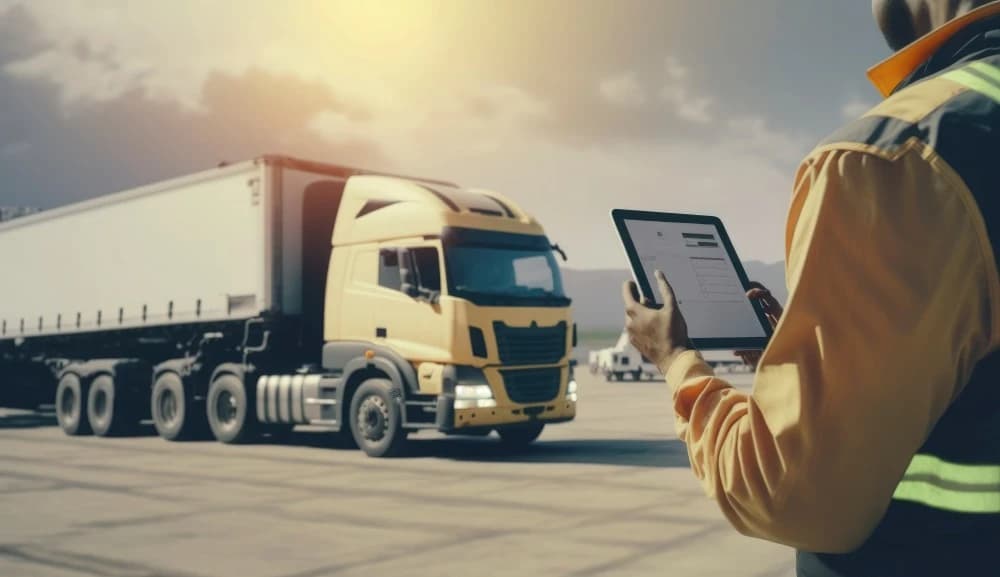
The logistics and transportation industry is growing rapidly across the globe, creating new opportunities for skilled professionals. One of the most promising career paths today is truck dispatching.
After completing a professional training program, many individuals are choosing not just to work for companies but to start their own dispatch businesses. If you’ve recently completed a truck dispatch course, this guide will help you understand how to turn your skills into a successful business.
Understanding the Role of a Truck Dispatcher
Before starting your own business, it’s essential to fully understand what a truck dispatcher does. A truck dispatcher acts as a bridge between freight brokers, shippers, and truck drivers. Your job is to find loads, negotiate rates, plan routes, and ensure timely deliveries.
Dispatchers are responsible for:
- Communicating with drivers and clients
- Managing schedules and routes
- Handling paperwork and compliance
- Negotiating freight rates
If you’ve completed your training from a reputed institute like B2B Campus Mohali, you already have the foundational knowledge required to perform these tasks efficiently.
Step 1: Gain Practical Experience After Training
Even after completing a truck dispatch course, gaining hands-on experience is crucial. You can start by:
- Working as a freelance dispatcher
- Taking small projects from trucking companies
- Assisting experienced dispatchers
This phase helps you understand real-world challenges like dealing with difficult clients, negotiating rates, and managing unexpected delays. It also builds your confidence before launching your own business.
Step 2: Create a Business Plan
Starting a truck dispatch business requires a clear and structured business plan. Your plan should include:
- Business Model: Will you charge per load or take a percentage commission?
- Target Market: Owner-operators, small trucking companies, or large fleets
- Services Offered: Load booking, route planning, documentation, compliance
- Revenue Goals: Monthly and yearly income targets
A solid business plan helps you stay focused and gives your business a professional direction.
Step 3: Register Your Business
To operate legally, you need to register your business. The process may vary depending on your country, but generally includes:
- Choosing a business name
- Registering as a sole proprietorship or company
- Opening a business bank account
- Getting necessary licenses (if required)
If you plan to work with international clients (especially in the US), ensure you understand their legal and documentation requirements.
Step 4: Set Up Your Work Infrastructure
One of the biggest advantages of a truck dispatch business is that you can operate it from home. However, you still need the right setup:
- A laptop or desktop with high-speed internet
- Dispatch software (like load boards and CRM tools)
- Communication tools (email, VoIP, WhatsApp)
- Spreadsheet tools for tracking loads and payments
Investing in the right tools will improve your efficiency and professionalism.
Step 5: Build Industry Connections
Your success as a dispatcher depends heavily on your network. Start building connections with:
- Freight brokers
- Truck owners and drivers
- Logistics companies
You can use platforms like LinkedIn, load boards, and online forums to connect with potential clients. Strong relationships lead to repeat business and long-term growth.
Step 6: Find Your First Clients
Getting your first few clients is often the most challenging step. Here are some effective strategies:
- Cold calling trucking companies
- Sending professional emails
- Promoting your services on social media
- Joining trucking and logistics groups
Offer competitive pricing initially to attract clients. Once you build trust and deliver results, you can gradually increase your rates.
Step 7: Master Load Boards and Negotiation Skills
Load boards are essential tools for finding freight. Popular platforms allow you to search for loads, compare rates, and connect with brokers.
Equally important is negotiation. Your ability to negotiate better rates directly impacts your earnings and your client’s profitability. Strong negotiation skills can set you apart from other dispatchers.
Training institutes like B2B Campus Mohali often provide practical training on these tools and techniques, giving students a real advantage.
Step 8: Focus on Customer Service
In the dispatch business, customer satisfaction is key. Happy clients will not only stay with you but also refer others.
To maintain excellent service:
- Communicate clearly and regularly
- Provide timely updates
- Solve problems quickly
- Be available during critical hours
Building a reputation for reliability and professionalism will help you grow faster.
Step 9: Manage Finances and Payments
Proper financial management is crucial for any business. Keep track of:
- Income and expenses
- Client payments
- Commissions and invoices
Use accounting software or simple spreadsheets to stay organized. Also, decide your payment terms clearly—whether weekly, bi-weekly, or per load.
Step 10: Scale Your Business
Once you have a stable client base, you can start scaling your business. Some ways to grow include:
- Hiring additional dispatchers
- Expanding your client network
- Offering additional services like compliance management
- Automating repetitive tasks
Scaling allows you to increase your income and build a long-term business.
Why Training Matters Before Starting
Starting a truck dispatch business without proper training can be risky. A professional course teaches you:
- Industry terminology
- Load booking processes
- Rate negotiation strategies
- Legal and compliance requirements
Institutes like B2B Campus Mohali provide comprehensive training that prepares you for real-world challenges. Their practical approach ensures that students are job-ready and business-ready from day one.
Common Mistakes to Avoid
While starting your dispatch business, avoid these common mistakes:
- Starting without proper training
- Ignoring contracts and agreements
- Overpromising to clients
- Poor communication with drivers
- Not tracking finances properly
Learning from these mistakes early can save you time, money, and stress.
Final Thoughts
Starting your own truck dispatch business after training is a smart and rewarding career move. With low investment and high earning potential, it offers flexibility and growth opportunities. However, success requires dedication, continuous learning, and strong communication skills.
If you’re serious about entering this field, getting trained from a trusted institute like B2B Campus Mohali can give you the right start. With the right knowledge, tools, and mindset, you can build a profitable dispatch business and establish yourself in the logistics industry.