Key Differences Between Drayage Dispatching and Long-Haul Dispatching
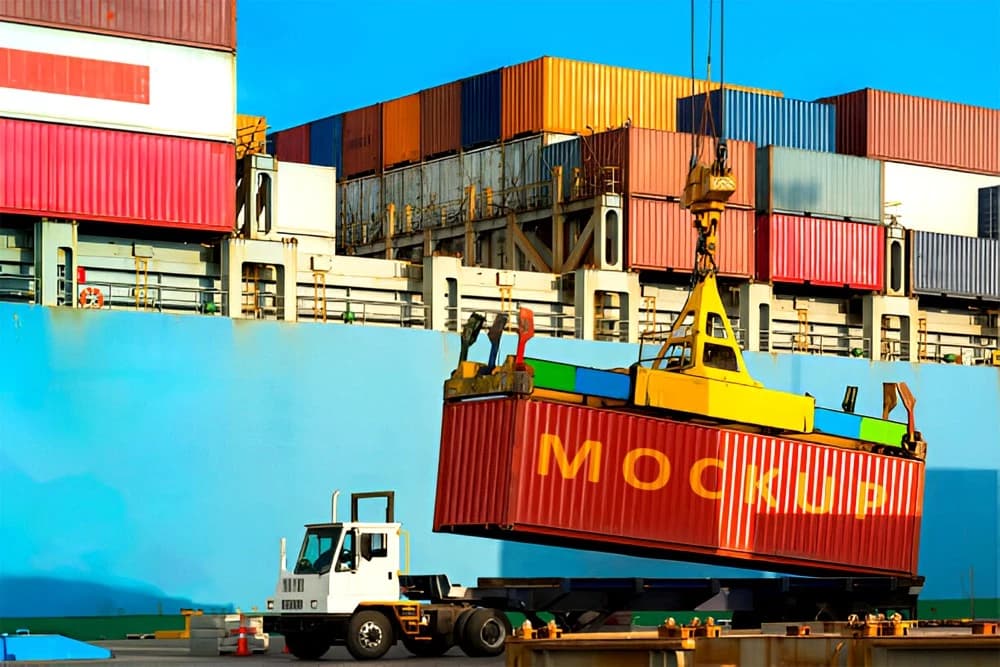
The logistics and transportation industry plays a vital role in global trade, ensuring goods move efficiently from manufacturers to consumers. Within this ecosystem, dispatching is a critical function that keeps operations organized and on schedule. Two important types of dispatching are drayage dispatching and long-haul dispatching.
While both involve coordinating freight movement, they differ significantly in scope, operations, and required skills. Understanding these differences is essential for anyone looking to build a career in logistics or enhance their industry knowledge.
Understanding Drayage Dispatching
Drayage dispatching focuses on the short-distance transportation of goods, typically involving the movement of shipping containers between ports, rail yards, warehouses, and nearby distribution centers. These operations are time-sensitive and often linked to port schedules, container availability, and terminal regulations. A drayage dispatcher must coordinate closely with drivers, port authorities, and warehouse managers to ensure quick turnaround times.
In drayage dispatching, efficiency is everything. Since trips are short, dispatchers often manage multiple loads within a single day. They must also handle documentation such as container release forms, delivery orders, and appointment scheduling. This type of dispatching demands quick decision-making and strong local knowledge.
Understanding Long-Haul Dispatching
Long-haul dispatching, on the other hand, involves managing freight transportation over long distances, often across states or even countries. These shipments can take several days or weeks to complete. Dispatchers in this segment are responsible for planning routes, monitoring driver hours, ensuring compliance with regulations, and managing fuel stops and rest breaks.
Unlike drayage dispatching, long-haul operations require a broader perspective. Dispatchers must consider weather conditions, road restrictions, and interstate regulations. Communication with drivers is continuous, but the pace is more spread out compared to the fast-moving nature of drayage.
Distance and Scope of Operations
The most obvious difference between drayage and long-haul dispatching lies in the distance covered. Drayage is limited to short distances, usually within a city or a specific region near ports or rail terminals. In contrast, long-haul dispatching deals with cross-country or intercity transportation, covering hundreds or thousands of kilometers.
This difference in distance directly impacts how dispatchers plan and execute their tasks. Drayage dispatchers focus on quick turnarounds and high load volumes, while long-haul dispatchers prioritize route optimization and long-term scheduling.
Time Sensitivity and Scheduling
Drayage dispatching is highly time-sensitive due to strict port schedules and container availability. Missing an appointment can result in delays, additional fees, or penalties. Dispatchers must be proactive and ensure that drivers meet tight deadlines.
Long-haul dispatching, although also time-bound, offers more flexibility in scheduling. Deliveries are planned over longer durations, allowing dispatchers to adjust routes and schedules based on real-time conditions. However, they still need to ensure compliance with delivery deadlines and driver working hour regulations.
Nature of Freight and Equipment
Drayage operations primarily involve shipping containers transported using specialized chassis. The focus is on handling standardized containers that move through intermodal systems. Dispatchers must ensure the correct container is picked up and delivered to the right location without delays.
In long-haul dispatching, the variety of freight is much broader. It can include dry goods, refrigerated items, hazardous materials, and oversized loads. This diversity requires dispatchers to have a deeper understanding of equipment types, load requirements, and safety regulations.
Communication and Coordination
Communication plays a crucial role in both types of dispatching, but the approach differs. Drayage dispatchers must maintain constant, rapid communication with drivers, port authorities, and warehouses due to the fast-paced nature of operations. Any delay or miscommunication can disrupt multiple shipments.
Long-haul dispatchers, while still maintaining regular communication, focus more on monitoring progress over extended periods. They coordinate with drivers for updates, handle unexpected issues on the road, and ensure smooth delivery across long distances.
Skills and Expertise Required
Drayage dispatching requires strong multitasking abilities, quick problem-solving skills, and familiarity with port operations. Dispatchers must be comfortable working under pressure and managing multiple shipments simultaneously.
Long-haul dispatching demands strategic planning, route optimization skills, and knowledge of transportation regulations across different regions. Dispatchers need to think ahead and anticipate challenges that may arise during long journeys.
Technology and Tools
Both types of dispatching rely heavily on technology, but their usage varies. Drayage dispatching often uses real-time tracking systems, port management software, and appointment scheduling tools to handle fast-moving operations.
Long-haul dispatching utilizes route planning software, GPS tracking, and compliance management systems to monitor long-distance trips. These tools help dispatchers ensure efficiency and regulatory compliance over extended journeys.
Career Opportunities and Growth
Both drayage and long-haul dispatching offer promising career opportunities in the logistics industry. However, drayage dispatching is gaining increasing attention due to the growth of global trade and port activities. With the rise of e-commerce and containerized shipping, the demand for skilled drayage dispatchers is steadily increasing.
For individuals looking to enter this field, gaining proper training and practical knowledge is crucial. One of the best ways to start is by enrolling in a professional course that provides hands-on experience and industry insights.
Learn Drayage Dispatching with B2B Campus in Mohali
If you are interested in building a successful career in drayage dispatching, B2B Campus offers specialized training programs designed to prepare you for real-world logistics challenges. Located in Mohali, B2B Campus provides practical learning, industry-relevant curriculum, and expert guidance to help you master the skills required in drayage dispatching.
Their courses focus on real-time scenarios, software tools, documentation processes, and communication strategies used in the industry. Whether you are a beginner or looking to upgrade your skills, B2B Campus equips you with the knowledge needed to excel in this fast-growing field.
Conclusion
Drayage dispatching and long-haul dispatching are both essential components of the logistics industry, each serving a unique purpose. While drayage focuses on short-distance, high-frequency operations, long-haul dispatching manages extended journeys with strategic planning. Understanding these differences can help individuals choose the right career path and develop the necessary skills.
As the logistics industry continues to evolve, the demand for skilled dispatchers will only grow. By gaining the right training and staying updated with industry trends, you can build a rewarding career in this dynamic field.