How AI is Making Industrial Training More Interactive and Efficient at B2B Campus
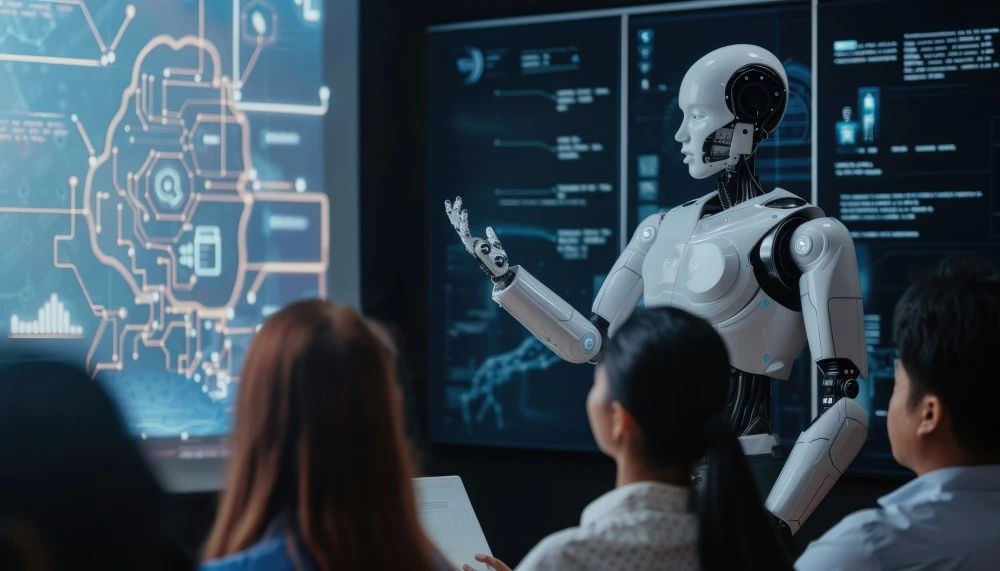
The rapid advancement of technology has transformed the way industries operate, and education is evolving alongside it. Traditional training methods that relied heavily on classroom lectures and static materials are gradually being replaced with smarter, technology-driven learning systems. One of the most significant innovations driving this transformation is Artificial Intelligence (AI).
Industrial training institutes are increasingly integrating AI tools into their learning environments to make training more interactive, personalized, and efficient. For institutes like B2B Campus, which provide professional courses such as web development, digital marketing, truck dispatch, and freight broker training, adopting AI-powered learning solutions can dramatically improve the learning experience for students and help them become job-ready faster.
This article explores how AI is revolutionizing industrial training and how B2B Campus can use AI technologies to create a more engaging and effective learning ecosystem.
The Evolution of Industrial Training in the Digital Era
Industrial training has traditionally focused on hands-on learning and practical skill development. However, conventional training models often struggle to meet the demands of modern industries that require fast learning, continuous upskilling, and digital expertise.
With the rise of Industry 4.0 technologies such as automation, artificial intelligence, and data analytics, training institutes must adapt to new learning methodologies. AI-based learning platforms are designed to analyze student behavior, learning patterns, and performance to create customized learning experiences that improve training outcomes.
For a modern institute like B2B Campus, this transformation offers a great opportunity to deliver advanced training programs that combine practical knowledge with intelligent learning tools.
Personalized Learning Paths for Every Student
One of the most powerful advantages of AI in industrial training is its ability to personalize learning. Every student has a unique learning pace, background knowledge, and preferred learning style. AI-powered platforms analyze student performance and adjust the training content accordingly.
For example, if a student enrolled in a web development course at B2B Campus struggles with JavaScript concepts, an AI learning system can automatically recommend additional tutorials, exercises, or videos related to that topic. On the other hand, advanced learners can skip basic modules and move directly to complex tasks.
AI-driven adaptive learning ensures that students spend more time improving their weaknesses while progressing faster in areas where they already excel. This personalized approach improves understanding and boosts confidence among learners.
Interactive Learning with AI-Powered Simulations
Industrial training is most effective when students can practice real-world scenarios. AI technologies are enabling training institutes to create interactive simulations and virtual labs where students can experiment and learn safely.
AI-based virtual training environments simulate real-life situations such as managing digital marketing campaigns, analyzing website performance, or handling logistics operations in truck dispatch. Students can interact with these simulations, make decisions, and receive feedback instantly.
Such immersive training environments allow learners to gain practical experience without the risks associated with real-world mistakes. Virtual labs also make training more engaging and help students understand complex concepts more effectively.
At B2B Campus, integrating simulation-based learning can significantly improve the quality of technical courses and provide students with industry-relevant skills.
AI Tutors and Smart Learning Assistants
Another important innovation in AI-based education is the use of intelligent virtual tutors. These AI-powered assistants act as digital mentors that provide instant guidance to students whenever they need help.
Instead of waiting for a scheduled class or instructor availability, students can ask questions to AI tutors and receive immediate explanations or examples. These virtual assistants can also suggest additional learning materials, quizzes, or projects to reinforce understanding.
AI tutors can simulate one-on-one mentoring by tracking student progress and adapting their teaching methods accordingly. This level of support ensures that students remain engaged throughout their training journey.
For B2B Campus, AI-powered tutoring systems could support students in courses like digital marketing or freight brokerage by providing real-time answers and learning guidance.
Real-Time Feedback and Skill Assessment
One major challenge in traditional industrial training is delayed feedback. Students often wait days or weeks to receive evaluation results for assignments or projects.
AI-powered learning systems solve this problem by providing instant assessments and feedback. Automated grading tools can evaluate quizzes, coding assignments, or marketing strategy simulations within seconds.
This real-time feedback allows students to identify their mistakes immediately and improve their skills faster. It also helps instructors track student progress more efficiently and provide targeted support where needed.
By integrating AI-based evaluation tools, B2B Campus can ensure that students receive continuous feedback that enhances their learning experience.
Data-Driven Learning and Performance Analytics
AI systems are capable of analyzing large volumes of learning data to identify trends and patterns in student performance. These insights help training institutes understand how students interact with courses and which modules require improvement.
For example, if many students struggle with a particular topic in a digital marketing course, AI analytics can identify the issue and suggest improvements to the curriculum.
Learning analytics dashboards can also track metrics such as course completion rates, quiz performance, and engagement levels. This data-driven approach enables institutes like B2B Campus to refine their training programs and deliver better results for students.
AI-powered analytics also helps institutions identify skill gaps and align their courses with industry demands, ensuring that students graduate with relevant skills.
Gamification and Engaging Learning Experiences
AI technologies also support gamified learning environments that make training more interactive and enjoyable. Gamification involves using elements such as points, badges, leaderboards, and rewards to motivate students.
Research shows that gamified learning can significantly increase engagement and performance in training programs. Interactive learning systems encourage students to actively participate rather than passively consume information.
For example, B2B Campus could introduce gamified modules where students earn points for completing coding challenges, digital marketing projects, or logistics simulations. This approach not only improves engagement but also fosters healthy competition among learners.
Improved Efficiency for Trainers and Institutions
AI does not only benefit students; it also improves efficiency for instructors and training institutes. Many administrative tasks such as grading assignments, tracking attendance, and monitoring course progress can be automated using AI systems.
By reducing the time spent on repetitive tasks, instructors can focus more on mentoring students, developing better course content, and providing personalized guidance.
AI tools can also generate training materials, quizzes, and learning resources automatically, saving time and improving productivity. This automation helps institutes like B2B Campus scale their training programs while maintaining high-quality education.
Preparing Students for Future Careers
Industries today are rapidly adopting artificial intelligence, automation, and digital technologies. Students trained in AI-enhanced learning environments gain exposure to modern tools and technologies that are already being used in the workplace.
For example, students learning digital marketing at B2B Campus can use AI tools for keyword research, content generation, and campaign analysis. Similarly, truck dispatch or freight broker trainees can learn how AI-powered logistics platforms optimize routes and manage shipments.
By incorporating AI into industrial training, B2B Campus ensures that its students are prepared for the modern workforce and capable of adapting to future technological changes.
The Future of AI-Powered Industrial Training
The future of education and training will be heavily influenced by artificial intelligence. AI-powered platforms will continue to evolve, offering even more advanced features such as predictive learning, virtual reality simulations, and automated skill assessments.
Training institutes that embrace these innovations will have a significant advantage in attracting students and delivering high-quality education.
For B2B Campus, adopting AI-driven learning solutions can transform its training programs into highly interactive and efficient learning experiences. By combining practical industrial training with intelligent technology, the institute can empower students to build successful careers in rapidly growing industries.
Conclusion
Artificial Intelligence is revolutionizing industrial training by making learning more interactive, personalized, and efficient. From adaptive learning systems and virtual simulations to real-time feedback and intelligent tutoring, AI is transforming the way students acquire practical skills.
Institutes like B2B Campus have the opportunity to leverage AI technologies to create a modern learning environment that prepares students for real-world challenges. By integrating AI into its training programs, B2B Campus can provide engaging courses in web development, digital marketing, truck dispatch, and freight brokerage while helping students become confident, skilled professionals.
As industries continue to evolve, AI-powered education will play a critical role in shaping the future workforce. Training institutes that adopt these technologies today will lead the way in building the skilled professionals of tomorrow.